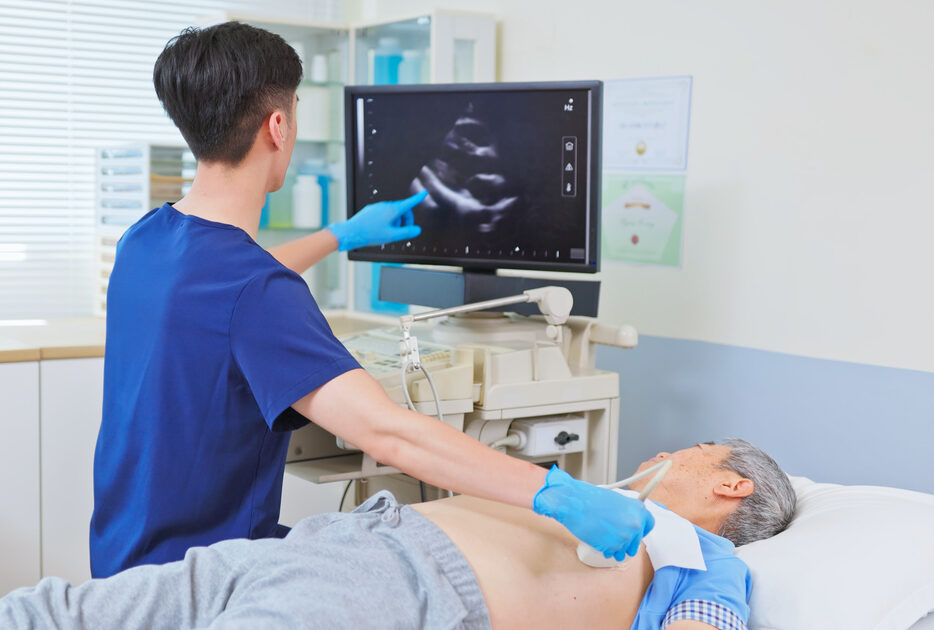
Few careers in healthcare put you closer to the action than cardiovascular sonography. Every image you capture helps a physician diagnose heart conditions, guide treatment decisions, and — in many cases — save a life. If you’re looking for a healthcare career that combines advanced technology, patient care, and strong earning potential without a decade of schooling, Parker University’s Diagnostic Cardiovascular Sonography program may be exactly what you’re looking for.
What Is Diagnostic Cardiovascular Sonography?
Diagnostic cardiovascular sonography is the use of ultrasound technology to create images of the heart and blood vessels. Cardiovascular sonographers — sometimes called cardiac sonographers or echocardiographers — perform echocardiograms and vascular studies that help physicians detect conditions like heart valve disease, blockages, congenital heart defects, and more.
It’s a career at the intersection of technology and compassion. Sonographers work directly with patients, often during some of the most stressful moments of their lives, while operating sophisticated imaging equipment that requires both technical precision and clinical judgment.
Why Choose a Career in Cardiovascular Sonography?
The numbers speak for themselves. According to the U.S. Bureau of Labor Statistics:
- 13% career growth rate for diagnostic medical sonographers and cardiovascular technologists and technicians through 2034 — much faster than the average for all occupations
- 11,700 projected jobs for diagnostic medical sonographers and cardiovascular technologists and technicians through 2034
- $89,340 median income for diagnostic medical sonographers and cardiovascular technologists and technicians as of 2024
Behind those numbers is a simple reality: heart disease remains the leading cause of death in the United States, and an aging population means demand for cardiac imaging continues to climb. Hospitals, cardiology practices, and imaging centers need skilled sonographers — and they need them now.
Where Can You Work as a Cardiovascular Sonographer?
Graduates of cardiovascular sonography programs find opportunities in a wide range of settings, including:
- Hospitals — from emergency departments to dedicated cardiac units and cath labs
- Cardiology practices and physician offices — providing outpatient echocardiograms and vascular studies
- Diagnostic imaging centers — serving patients referred by physicians throughout the community
- Mobile imaging services — bringing cardiac diagnostics to rural and underserved areas
- Travel sonography — short-term contract positions across the country, often with premium pay
With experience, cardiovascular sonographers can also advance into lead sonographer roles, department management, clinical education, and applications specialist positions with ultrasound equipment manufacturers.
Inside Parker University’s Diagnostic Cardiovascular Sonography Program
Parker University’s Diagnostic Cardiovascular Sonography program, offered at our Dallas, Texas campus, is built to prepare graduates to be 100% ready to begin their careers as cardiovascular sonographers. Here’s what sets the program apart:
A Carefully Crafted Curriculum
The program uses a focused, one-course-at-a-time structure that allows students to master each subject before moving on to the next. Instead of juggling five classes at once, you build knowledge deliberately — the way clinical skills are actually developed.
Personalized Attention
Enrollment is intentionally limited to a small number of high-caliber students. That means smaller class sizes, more one-on-one time with instructors, and faculty who know your name — and your goals.
Hands-On Clinical Experience
You’ll train on the same tools and equipment used by professionals in the field, gaining real-world scanning experience before you ever apply for your first job. Employers want graduates who can contribute from day one, and clinical experience is what gets you there.
Credentialing Built Into the Program
Parker University requires students to take the American Registry for Diagnostic Medical Sonography (ARDMS) Sonography Principles & Instrumentation (SPI) exam and to attempt the Cardiovascular Credentialing International (CCI) exam. Passing the SPI and attempting the CCI are requirements of graduation — which means you won’t walk across the stage unprepared for the credentials employers look for. Upon successful completion of the SPI and CCI exams, students are eligible to sit for the ARDMS exam.
Accreditation You Can Trust
Parker University is institutionally accredited by the Southern Association of Colleges and Schools Commission on Colleges (SACSCOC) and is accredited by the Commission on Accreditation of Allied Health Education Programs (CAAHEP) in General Sonography. The Diagnostic Cardiovascular Sonography program has a scheduled site visit as it pursues initial CAAHEP accreditation.
Frequently Asked Questions About Diagnostic Cardiovascular Sonography
What does a cardiovascular sonographer do?
A cardiovascular sonographer uses ultrasound equipment to create images of the heart and blood vessels. These images — including echocardiograms — help physicians diagnose and monitor conditions such as heart valve disease, blood clots, blockages, and congenital heart defects. Sonographers also position patients, review images for quality, and communicate findings to physicians.
How much do cardiovascular sonographers make?
According to the U.S. Bureau of Labor Statistics, the median income for diagnostic medical sonographers and cardiovascular technologists and technicians was $89,340 as of 2024. Pay varies by location, experience, work setting, and credentials.
Is cardiovascular sonography a good career?
Yes. The Bureau of Labor Statistics projects a 13% career growth rate for diagnostic medical sonographers and cardiovascular technologists and technicians through 2034, with approximately 11,700 projected jobs. Strong demand, competitive pay, and meaningful patient interaction make it one of the most attractive allied health careers available today.
What degree do you need to become a cardiovascular sonographer?
Most cardiovascular sonographers enter the field with an associate degree, such as the Associate of Applied Science (AAS) in Diagnostic Cardiovascular Sonography offered at Parker University. An associate degree paired with professional credentials is the standard pathway into the profession.
How long does it take to become a cardiovascular sonographer?
The pathway is typically about two years through an associate degree program — significantly shorter than many other healthcare careers with comparable earning potential. Contact Parker University’s admissions team for the specific timeline of our Diagnostic Cardiovascular Sonography program.
Where is Parker University’s Diagnostic Cardiovascular Sonography program located?
The program is offered at Parker University’s campus in Dallas, Texas — a metro area with one of the largest healthcare markets in the country, offering abundant clinical and career opportunities for sonography graduates.
What is the difference between a cardiac sonographer and an ultrasound technologist?
Both use ultrasound technology, but a cardiac (cardiovascular) sonographer specializes specifically in imaging the heart and blood vessels, while a general ultrasound technologist (diagnostic medical sonographer) may image the abdomen, obstetric patients, and other areas of the body. Cardiovascular sonography requires specialized training in cardiac anatomy, physiology, and echocardiography techniques.
Take the First Step Toward Your Career in Cardiovascular Sonography
Your future patients are waiting — and so is a career with strong demand, competitive pay, and real purpose. Parker University’s Diagnostic Cardiovascular Sonography program gives you the focused curriculum, personalized instruction, and hands-on clinical training to get there.
Ready to get started? Apply today or request more information about the Diagnostic Cardiovascular Sonography program at Parker University.